Buy ruhrgebiet.info ?
We are moving the project
ruhrgebiet.info .
Are you interested in purchasing the domain
ruhrgebiet.info ?
domain@kv-gmbh.de · 0541-91531010
Buy ruhrgebiet.info ?
What is the history of computer science?
Computer science as a field of study emerged in the mid-20th century with the development of electronic computers. The first programmable digital computer, the ENIAC, was built in the 1940s, marking the beginning of modern computing. Over the years, computer science has evolved to encompass various subfields such as artificial intelligence, software engineering, and data science. Today, computer science plays a crucial role in shaping technology and driving innovation in numerous industries. **
Is computer science a natural science?
Computer science is not considered a natural science, but rather a formal science. Natural sciences, such as biology, chemistry, and physics, study the natural world and its phenomena. In contrast, computer science focuses on the study of algorithms, data structures, and the design and analysis of computational systems. While computer science may draw on principles from mathematics and engineering, it is not classified as a natural science. **


Similar search terms for Computer Science
Top-Angebote
Products related to Computer Science:
-
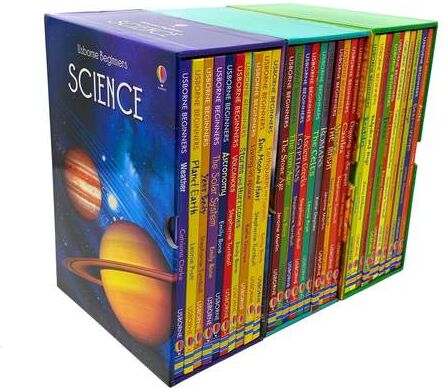
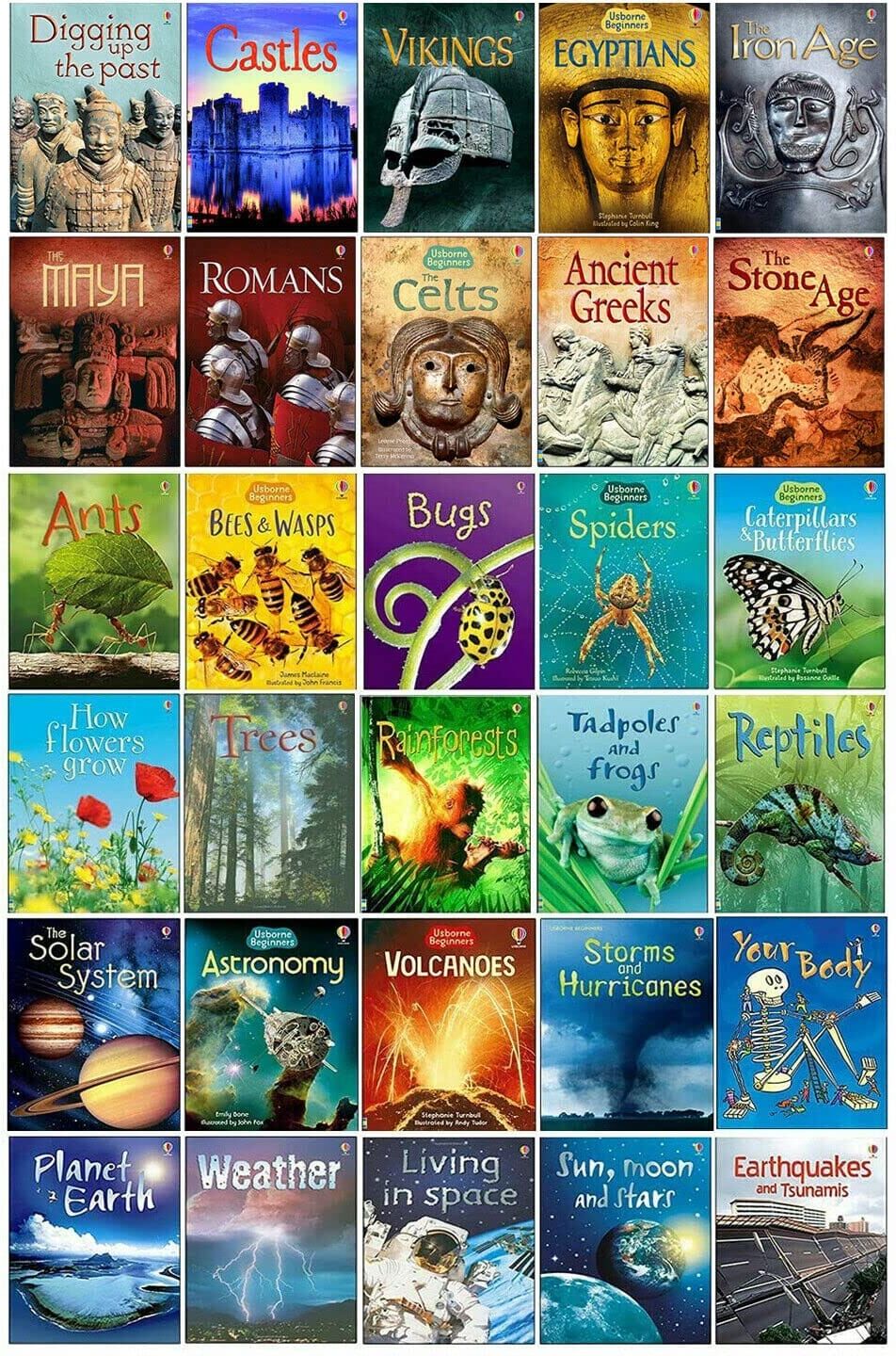
Usborne Beginners Series – 30 Book Collection Box Set Children’s Educational Books (History, Nature & Science) KS1 KS2Usborne Beginners Series 30 Books Collection Box Set (History- Nature- Science) Build a strong foundation in knowledge and reading with the Usborne Beginners Series – 30 Books Collection Box Set, published by Usborne. This comprehensive educational collection introduces children to a wide range of topics across history, science, and nature, using clear language, engaging illustrations, and structured layouts designed for young learners. Perfectly suited for KS1 and KS2 pupils, these books support both curriculum learning and independent reading. From natural disasters and wildlife to historical events and scientific discoveries, the series encourages curiosity, critical thinking, and a love of learning. Description Titles in this set: History Stone Age Iron Age Egyptians Ancient Greeks Celts Romans The Maya Vikings Castles Digging Up the Past Nature Reptiles Tadpoles and Frogs Rainforest Trees How Flowers Grow Caterpillars and Butterflies Spiders Bugs Bees & Wasps Ants Science Earthquakes & Tsunamis Sun Moon and Stars Living in Space Storms and Hurricanes Volcanoes Astronomy The Solar System Your Body Planet Earth Weather Related Tags: Usborne, Usbourne42,75 £*Shipping: 0,00 £Secure redirect to the provider
-
Usborne Beginners Nature, Science & History Collection 30 Books Set - Ages 4-10 - Paperback Usborne Publishing LtdTitles in This Set: Usborne Beginners Nature 10 Books: 1. Ants 2. Bees & Wasps 3. Bugs 4. Spiders 5. Tadpoles and Frogs 6. Caterpillars and Butterflies 7. How Flowers Grow 8. Trees 9. Rainforest 10. Reptiles Usborne Beginners Science 10 Books: 1. Earthquakes & Tsunamis 2. Sun Moon and Stars 3. Living in Space 4. Storms and Hurricanes 5. Volcanoes 6. Astronomy 7. The Solar System 8. Your Body 9. Planet Earth 10. Weather Usborne Beginners History 10 Books: Titles in This Set: 1. Ancient Greeks 2. Castles 3. Celts 4. Digging Up the Past 5. Egyptians 6. Iron Age 7. Maya 8. Romans 9. Stone Age 10. Vikings Description : Usborne Beginners Nature 10 Books Ants Where do ants live? What do they eat? How much weight can they carry? Little children can find out the answers to these questions and much more in this simple introduction to the world of ants. Bees & Wasps What do bees and wasps eat? What type of nests do they make? How do bees make honey? Find out the answers and lots more in this intriguing introduction to the fascinating world of bees and wasps. Bugs ''There are all kinds of different bugs. Some can jump up high. Other bugs have lots of legs.” Bugs is part of an exciting reading series for young children, with lots of pictures and very simple text. Spiders “Spiders have eight legs. Most of them have eight eyes, but some of them can’t see very well.” Learn all about spiders in this great book for children learning to read by themselves. Tadpoles and Frogs From egg to frog, find out about the entire life cycle of a frog in this easy-to-read fully illustrated book for young learners ages 4+. It comes complete with weblinks so you can see the process for yourself. Caterpillars and Butterflies A beautifully illustrated introduction to the life of butterflies and caterpillars, with easy to read text for beginner readers. The life cycle of a butterfly is shown with stunning photographs and illustrations, and there are links to carefully selected websites with videos that show butterflies emerging from their pupae. How Flowers Grow How do flowers grow in dry deserts? How do animals help to spread seeds? Which flower smells like rotting meat? Find out in this great book for young readers ages four and up. Trees How do trees use their leaves to make food? Why do they grow flowers and fruit? Which animals live inside a tree trunk and build nests in its branches? How can we help to protect trees? This book has all the answers and much more, along with photographs, step-by-step illustrations, simple text and links to websites with video clips and activities. Rainforests Learn all about the rainforest in this fantastic easy-to-read book for children 4+ beginning to strike out on their own. From towering trees to rainforest rivers, this fully-illustrated book also features links to carefully selected websites. Reptiles Learn all about the lizard world in this fully-illustrated guide, the latest in the Usborne Beginners series. From scaly skin to tongue tricks...42,75 £*Shipping: 0,00 £Secure redirect to the provider
-
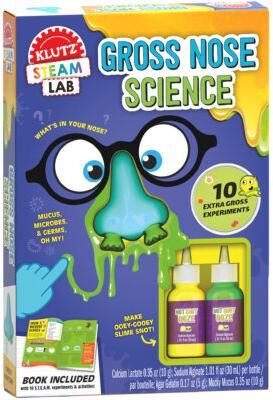
Klutz: Gross Nose ScienceSqueeze slimy snots through a soft and squishy nose! Explore ten different experiments on sinus-based anatomy, make sense of scents with the power of smell, and even whip up a batch of boogers! Learn how snot, mucus, and nose hairs protect your...24,99 $*Shipping: 0,00 $Secure redirect to the provider
-
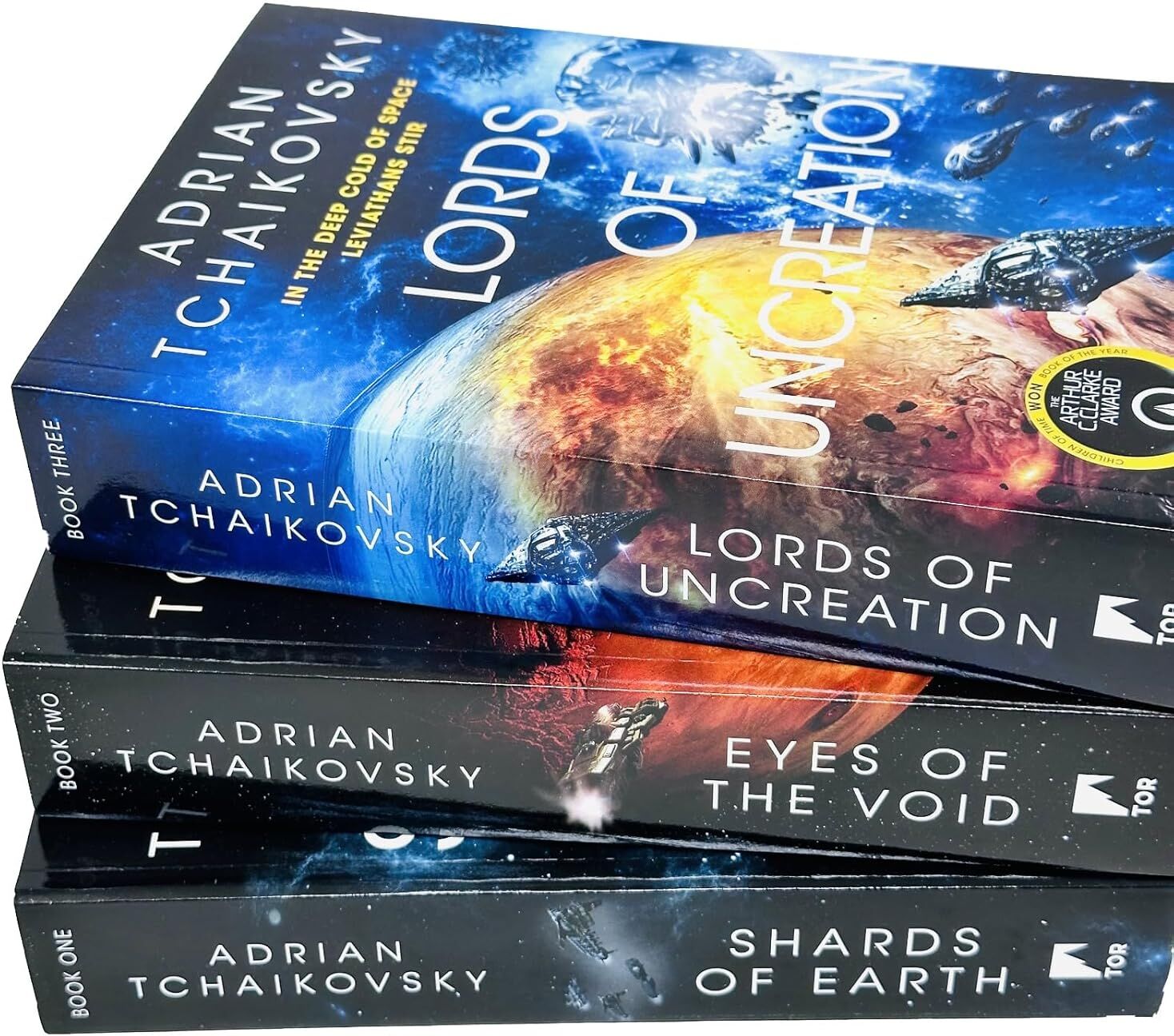
MACMILLAN The Final Architecture Trilogy – 3 Book Collection Set by Adrian Tchaikovsky Epic Space Opera Science Fiction SeriesEmbark on an epic journey across the stars with The Final Architecture Trilogy – 3 Book Collection Set by acclaimed science fiction author Adrian Tchaikovsky. This gripping space opera series includes: Shards of Earth Eyes of the Void Lords of Uncreation Set in a vast and dangerous universe, the trilogy follows a ragtag crew navigating interstellar conflict, ancient alien threats, and the terrifying Architects—entities capable of destroying entire planets. Blending high-stakes action with rich world-building and complex characters, this series delivers a thrilling and thought-provoking sci-fi experience. Perfect for fans of space opera, futuristic adventure, and character-driven science fiction, this collection offers an immersive and unforgettable reading journey. Why Readers Love This Collection: Complete Final Architecture trilogy in one set Epic space opera with action, mystery, and alien threats Deep world-building and unforgettable characters Written by award-winning author Adrian Tchaikovsky Ideal for fans of modern science fiction series A must-read for sci-fi enthusiasts, The Final Architecture Series Collection is a thrilling exploration of humanity, survival, and the unknown.13,99 £*Shipping: 2,99 £Secure redirect to the provider
-
Is computer science or a computer science degree future-proof?
Computer science as a field is considered to be future-proof due to its ever-evolving nature and its relevance in various industries. A computer science degree provides a strong foundation in problem-solving, critical thinking, and technical skills that are highly sought after in today's digital world. With the increasing reliance on technology and the continuous advancements in the field, individuals with a computer science degree are likely to have a wide range of career opportunities and job security in the future. **
-
What are the differences between Computer Science and Applied Computer Science?
Computer Science is a broad field that focuses on the theoretical foundations of computation and algorithms, as well as the design and development of software and hardware systems. On the other hand, Applied Computer Science is more focused on the practical application of computer science principles to solve real-world problems. Applied Computer Science often involves working on specific projects or applications, while Computer Science may involve more theoretical research and study. Additionally, Applied Computer Science may require a deeper understanding of specific industries or domains in order to effectively apply computer science concepts. **
-
What are the differences between computer science and applied computer science?
Computer science is a broad field that focuses on the theoretical foundations of computation and information processing, including algorithms, data structures, and programming languages. On the other hand, applied computer science is more focused on the practical application of computer science principles to solve real-world problems. Applied computer science often involves working with specific technologies and tools to develop software applications, systems, or solutions for specific industries or domains. In summary, computer science is more theoretical and foundational, while applied computer science is more practical and focused on real-world applications. **
-
Is computer science or engineering computer science, where is math harder?
Computer science and engineering both require a strong foundation in math, but the level of difficulty may vary depending on the specific focus of the program. In computer science, the math requirements often include discrete mathematics, algorithms, and probability theory, which can be challenging for some students. On the other hand, engineering computer science may involve more applied mathematics, such as calculus, differential equations, and linear algebra, which can also be quite demanding. Ultimately, the level of difficulty in math will depend on the individual's strengths and interests in the specific areas of computer science or engineering. **


What is the difference between specialized computer science and computer science?
Specialized computer science refers to a focused area within the broader field of computer science, such as artificial intelligence, cybersecurity, or data science. It involves in-depth study and expertise in a specific aspect of computer science. On the other hand, computer science encompasses a wide range of topics including programming, algorithms, software development, and computer systems. It provides a comprehensive understanding of the principles and theories that underpin computing technology. In summary, specialized computer science delves into a specific area of expertise within the broader field of computer science. **
What is the difference between applied computer science and computer science?
Computer science is a broad field that encompasses the study of algorithms, data structures, programming languages, and the theoretical foundations of computing. It focuses on the principles and theories behind computing systems. On the other hand, applied computer science is the practical application of computer science principles to solve real-world problems. It involves using the knowledge and skills gained from computer science to develop software, design systems, and create solutions for specific applications in various industries. Applied computer science often involves a more hands-on, practical approach to using computer science concepts in real-world scenarios. **
Top-Angebote
Products related to Computer Science:
-
The Tree Book: The Stories, Science, and History of Trees by DKBring trees to life like you've never seen before as The Tree Book invites you on an enchanting and illustrated journey into the astonishingly diverse growth of woodland wildlife in the world around us. Trees have been a part of human history from the very beginning. Used for shelter, tools, fuel, and food, they also help supply the atmosphere with oxygen and form astonishingly diverse ecosystems, as well as some of the world's most beautiful landscapes. Now the intricate world of leafy woodlands and abundant rainforests is revealed in this extensive visual guide to trees, exploring their key scientific traits and their ecological importance, as well as their enduring significance in human history and culture. From ancient oaks and great redwoods to lush banyans and imposing kapoks, The Tree Book reveals the anatomy, behaviours, and beauty of these incredible plants and habitats in detail. A must-have volume for budding botanists, this divine nature book showcases the rich diversity of trees, combining bewildering facts about spindles, spruces and more, with dazzling landscape photography of the endless species of trees found in forests and woodland all around the globe. Explore this fascinating book on trees to discover:-A historical overview of the cultural influence of trees and their ecological importance-Striking photography to accompany the profound explanations of tree biology and behaviour-A clear and comprehensible guide to ecology from both a historical and scientific point of view. With recent media coverage on climate change highlighting the global importance of our woodlands and rainforests, there's no better time than right now to immerse yourself in this extensive horticultural handbook for an illuminating blend of the science, culture, and history of trees dating back to the beginning of time. Let DK plant the seed of curiosity with this fantastic forest book, and watch as it blossoms into a life-long love of ecology, proving the ideal gift for naturalists or those with a soft-spot for nature photography. Combining natural history and a scientific overview with a wider look at the history, uses, symbolism, and mythology of trees, this book is a new kind of guide to these fascinating organisms16,99 £*Shipping: 2,99 £Secure redirect to the provider
-
Arcturus Editions Computer Science for Curious Kids: An Illustrated Introduction to Software Programming, Artificial Intelligence, Cyber-Security-And More!Give young readers the gift of knowledge, with this beautifully illustrated, inspirational, and accessible book. Discover how scientific ideas can be harnessed to create computer programs that make our lives easier, help us to work more efficiently, and fill our leisure time with fun. Explore key ideas in computer science such as algorithms, graphics, networking, and intelligent systems. See how software has developed from its earliest days, and what computer scientists of the future may achieve. In this series, big new concepts pop off the page, thanks to vibrant diagrams and an engaging, energetic prose style. Kids will relish sharing them with friends and family! Discover a new way of looking at the world with this wide-ranging celebration of the subject of computer science. A great gift for readers aged 8-12.8,99 £*Shipping: 2,99 £Secure redirect to the provider
-
Usborne Beginners Series – 30 Book Collection Box Set Children’s Educational Books (History, Nature & Science) KS1 KS2Usborne Beginners Series 30 Books Collection Box Set (History- Nature- Science) Build a strong foundation in knowledge and reading with the Usborne Beginners Series – 30 Books Collection Box Set, published by Usborne. This comprehensive educational collection introduces children to a wide range of topics across history, science, and nature, using clear language, engaging illustrations, and structured layouts designed for young learners. Perfectly suited for KS1 and KS2 pupils, these books support both curriculum learning and independent reading. From natural disasters and wildlife to historical events and scientific discoveries, the series encourages curiosity, critical thinking, and a love of learning. Description Titles in this set: History Stone Age Iron Age Egyptians Ancient Greeks Celts Romans The Maya Vikings Castles Digging Up the Past Nature Reptiles Tadpoles and Frogs Rainforest Trees How Flowers Grow Caterpillars and Butterflies Spiders Bugs Bees & Wasps Ants Science Earthquakes & Tsunamis Sun Moon and Stars Living in Space Storms and Hurricanes Volcanoes Astronomy The Solar System Your Body Planet Earth Weather Related Tags: Usborne, Usbourne42,75 £*Shipping: 0,00 £Secure redirect to the provider
-
Usborne Beginners Nature, Science & History Collection 30 Books Set - Ages 4-10 - Paperback Usborne Publishing LtdTitles in This Set: Usborne Beginners Nature 10 Books: 1. Ants 2. Bees & Wasps 3. Bugs 4. Spiders 5. Tadpoles and Frogs 6. Caterpillars and Butterflies 7. How Flowers Grow 8. Trees 9. Rainforest 10. Reptiles Usborne Beginners Science 10 Books: 1. Earthquakes & Tsunamis 2. Sun Moon and Stars 3. Living in Space 4. Storms and Hurricanes 5. Volcanoes 6. Astronomy 7. The Solar System 8. Your Body 9. Planet Earth 10. Weather Usborne Beginners History 10 Books: Titles in This Set: 1. Ancient Greeks 2. Castles 3. Celts 4. Digging Up the Past 5. Egyptians 6. Iron Age 7. Maya 8. Romans 9. Stone Age 10. Vikings Description : Usborne Beginners Nature 10 Books Ants Where do ants live? What do they eat? How much weight can they carry? Little children can find out the answers to these questions and much more in this simple introduction to the world of ants. Bees & Wasps What do bees and wasps eat? What type of nests do they make? How do bees make honey? Find out the answers and lots more in this intriguing introduction to the fascinating world of bees and wasps. Bugs ''There are all kinds of different bugs. Some can jump up high. Other bugs have lots of legs.” Bugs is part of an exciting reading series for young children, with lots of pictures and very simple text. Spiders “Spiders have eight legs. Most of them have eight eyes, but some of them can’t see very well.” Learn all about spiders in this great book for children learning to read by themselves. Tadpoles and Frogs From egg to frog, find out about the entire life cycle of a frog in this easy-to-read fully illustrated book for young learners ages 4+. It comes complete with weblinks so you can see the process for yourself. Caterpillars and Butterflies A beautifully illustrated introduction to the life of butterflies and caterpillars, with easy to read text for beginner readers. The life cycle of a butterfly is shown with stunning photographs and illustrations, and there are links to carefully selected websites with videos that show butterflies emerging from their pupae. How Flowers Grow How do flowers grow in dry deserts? How do animals help to spread seeds? Which flower smells like rotting meat? Find out in this great book for young readers ages four and up. Trees How do trees use their leaves to make food? Why do they grow flowers and fruit? Which animals live inside a tree trunk and build nests in its branches? How can we help to protect trees? This book has all the answers and much more, along with photographs, step-by-step illustrations, simple text and links to websites with video clips and activities. Rainforests Learn all about the rainforest in this fantastic easy-to-read book for children 4+ beginning to strike out on their own. From towering trees to rainforest rivers, this fully-illustrated book also features links to carefully selected websites. Reptiles Learn all about the lizard world in this fully-illustrated guide, the latest in the Usborne Beginners series. From scaly skin to tongue tricks...42,75 £*Shipping: 0,00 £Secure redirect to the provider
-
What is the history of computer science?
Computer science as a field of study emerged in the mid-20th century with the development of electronic computers. The first programmable digital computer, the ENIAC, was built in the 1940s, marking the beginning of modern computing. Over the years, computer science has evolved to encompass various subfields such as artificial intelligence, software engineering, and data science. Today, computer science plays a crucial role in shaping technology and driving innovation in numerous industries. **
-
Is computer science a natural science?
Computer science is not considered a natural science, but rather a formal science. Natural sciences, such as biology, chemistry, and physics, study the natural world and its phenomena. In contrast, computer science focuses on the study of algorithms, data structures, and the design and analysis of computational systems. While computer science may draw on principles from mathematics and engineering, it is not classified as a natural science. **
-
Is computer science or a computer science degree future-proof?
Computer science as a field is considered to be future-proof due to its ever-evolving nature and its relevance in various industries. A computer science degree provides a strong foundation in problem-solving, critical thinking, and technical skills that are highly sought after in today's digital world. With the increasing reliance on technology and the continuous advancements in the field, individuals with a computer science degree are likely to have a wide range of career opportunities and job security in the future. **
-
What are the differences between Computer Science and Applied Computer Science?
Computer Science is a broad field that focuses on the theoretical foundations of computation and algorithms, as well as the design and development of software and hardware systems. On the other hand, Applied Computer Science is more focused on the practical application of computer science principles to solve real-world problems. Applied Computer Science often involves working on specific projects or applications, while Computer Science may involve more theoretical research and study. Additionally, Applied Computer Science may require a deeper understanding of specific industries or domains in order to effectively apply computer science concepts. **
Similar search terms for Computer Science
-
Klutz: Gross Nose ScienceSqueeze slimy snots through a soft and squishy nose! Explore ten different experiments on sinus-based anatomy, make sense of scents with the power of smell, and even whip up a batch of boogers! Learn how snot, mucus, and nose hairs protect your...24,99 $*Shipping: 0,00 $Secure redirect to the provider
-
MACMILLAN The Final Architecture Trilogy – 3 Book Collection Set by Adrian Tchaikovsky Epic Space Opera Science Fiction SeriesEmbark on an epic journey across the stars with The Final Architecture Trilogy – 3 Book Collection Set by acclaimed science fiction author Adrian Tchaikovsky. This gripping space opera series includes: Shards of Earth Eyes of the Void Lords of Uncreation Set in a vast and dangerous universe, the trilogy follows a ragtag crew navigating interstellar conflict, ancient alien threats, and the terrifying Architects—entities capable of destroying entire planets. Blending high-stakes action with rich world-building and complex characters, this series delivers a thrilling and thought-provoking sci-fi experience. Perfect for fans of space opera, futuristic adventure, and character-driven science fiction, this collection offers an immersive and unforgettable reading journey. Why Readers Love This Collection: Complete Final Architecture trilogy in one set Epic space opera with action, mystery, and alien threats Deep world-building and unforgettable characters Written by award-winning author Adrian Tchaikovsky Ideal for fans of modern science fiction series A must-read for sci-fi enthusiasts, The Final Architecture Series Collection is a thrilling exploration of humanity, survival, and the unknown.13,99 £*Shipping: 2,99 £Secure redirect to the provider
-
Science & Health Grindepul 50 mlNutrition and Supplements Natural Extracts Science & Health Grindepul 50 ml Hydroalcoholic extract of the highest purity. It has antispasmodic, balsamic, anti-inflammatory, anti-asthmatic, bactericidal and gastrointestinal properties. How to use: It is recommended to take 20 drops (approximately 1 ml) before breakfast, lunch and dinner, alone or diluted in a glass of water.17,63 £*Shipping: 3,99 £Secure redirect to the provider
-
Science & Health Frenalip 60 CapsulesNutrition and Supplements Natural Extracts Science & Health Frenalip 60 Capsules Food supplement based on extracts of Radix Berberis, Milk Thistle and Coenzyme Q10, Red Rice Yeast, Eicosanol, Phytosterols and Coenzyme Q10. Berberine helps maintain normal cholesterol levels. 100% recyclable. How to use: Take 1 capsule with dinner.17,70 £*Shipping: 3,99 £Secure redirect to the provider
-
What are the differences between computer science and applied computer science?
Computer science is a broad field that focuses on the theoretical foundations of computation and information processing, including algorithms, data structures, and programming languages. On the other hand, applied computer science is more focused on the practical application of computer science principles to solve real-world problems. Applied computer science often involves working with specific technologies and tools to develop software applications, systems, or solutions for specific industries or domains. In summary, computer science is more theoretical and foundational, while applied computer science is more practical and focused on real-world applications. **
-
Is computer science or engineering computer science, where is math harder?
Computer science and engineering both require a strong foundation in math, but the level of difficulty may vary depending on the specific focus of the program. In computer science, the math requirements often include discrete mathematics, algorithms, and probability theory, which can be challenging for some students. On the other hand, engineering computer science may involve more applied mathematics, such as calculus, differential equations, and linear algebra, which can also be quite demanding. Ultimately, the level of difficulty in math will depend on the individual's strengths and interests in the specific areas of computer science or engineering. **
-
What is the difference between specialized computer science and computer science?
Specialized computer science refers to a focused area within the broader field of computer science, such as artificial intelligence, cybersecurity, or data science. It involves in-depth study and expertise in a specific aspect of computer science. On the other hand, computer science encompasses a wide range of topics including programming, algorithms, software development, and computer systems. It provides a comprehensive understanding of the principles and theories that underpin computing technology. In summary, specialized computer science delves into a specific area of expertise within the broader field of computer science. **
-
What is the difference between applied computer science and computer science?
Computer science is a broad field that encompasses the study of algorithms, data structures, programming languages, and the theoretical foundations of computing. It focuses on the principles and theories behind computing systems. On the other hand, applied computer science is the practical application of computer science principles to solve real-world problems. It involves using the knowledge and skills gained from computer science to develop software, design systems, and create solutions for specific applications in various industries. Applied computer science often involves a more hands-on, practical approach to using computer science concepts in real-world scenarios. **
* All prices are inclusive of VAT and, if applicable, plus shipping costs. The offer information is based on the details provided by the respective shop and is updated through automated processes. Real-time updates do not occur, so deviations can occur in individual cases. ** Note: Parts of this content were created by AI.